EDITORIAL / CULTURE
The Thousand-Dollar Slop Problem
Is Slopcore becoming too expensive for the very creators it was supposed to empower?
SLOP REVOLT / EDITORIAL ·

There's an interesting contradiction developing in Slopcore.
A movement that celebrates making music and videos without traditional production studios is producing some surprisingly expensive work.
We're talking hundreds of dollars for a single music video, with some documented projects consuming AI resources valued at more than $1,000.
For something proudly called slop, that's a pretty serious production budget.
And it raises an uncomfortable question.
If making competitive Slopcore starts requiring hundreds of dollars per video, are we rebuilding the same financial barriers that AI was supposed to eliminate?
When Slop Gets Expensive
Anabology, whose Escape Velocity helped bring Slopcore to wider attention, has been unusually transparent about his production process.
His published project records detail enormous numbers of image generations, video clips, agent interactions, and rendering operations.
For The Clodyssey, the Claude workload alone has been valued at approximately $1,007 using API list prices, although the work actually ran through a subscription. Separate video-generation costs still applied.
That's an important distinction. The value of AI resources consumed isn't necessarily the amount charged to the creator. The $1,007 figure is an API-price equivalent, not an API bill anabology paid.
But the larger point remains: sophisticated AI music videos can demand considerable resources.
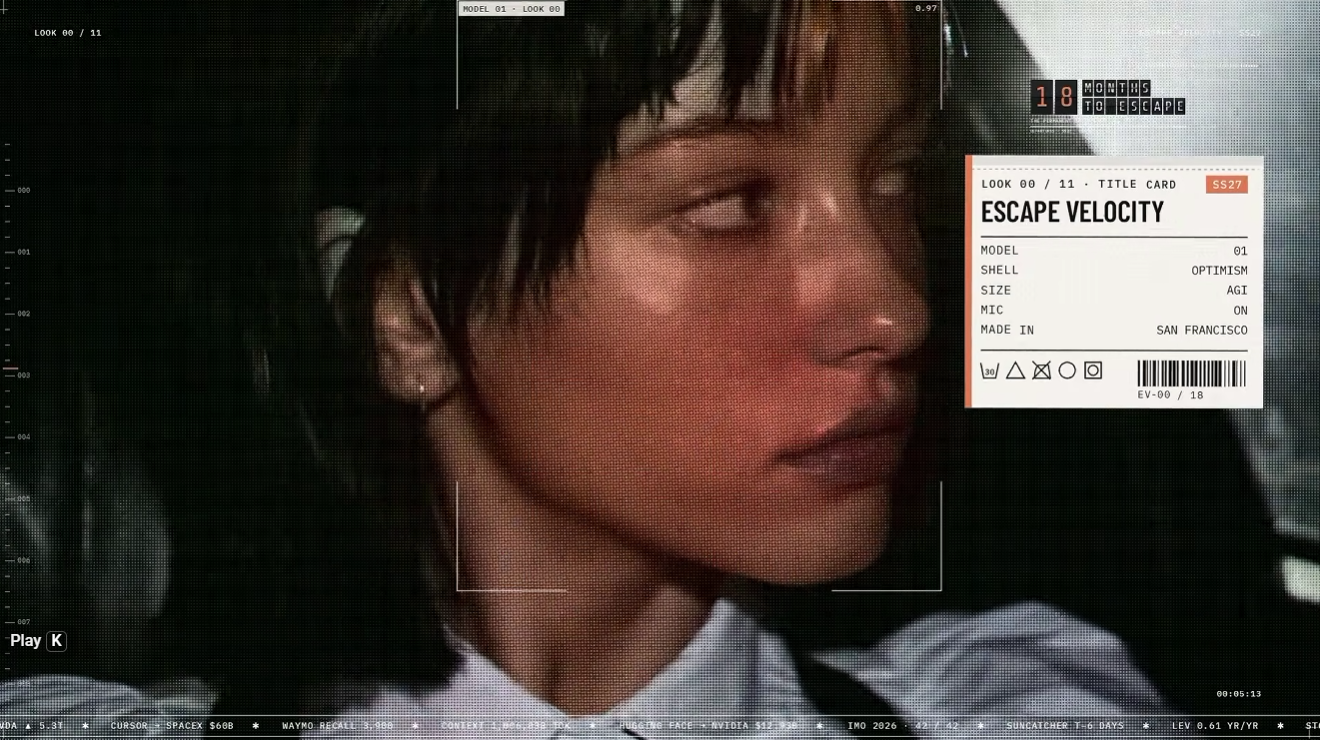
And anabology isn't the only one.
Obie Fernandez documented approximately $309 in Seedance video-generation costs for the music video Queso, with a recommended video-generation budget of $300–$450 for a similarly structured four-minute production.
Add subscriptions, failed generations, and revisions, and this hobby can become expensive surprisingly quickly.
For creators producing several videos a month, those costs add up.
But Does Better Slop Require a Bigger Budget?
Not necessarily.
An increasingly expensive production pipeline doesn't automatically produce a more interesting music video.
And we're already seeing creators take different approaches.
Artists such as DJ_Grizzly and Feddakalkun demonstrate the kind of independent creativity that makes this scene interesting.
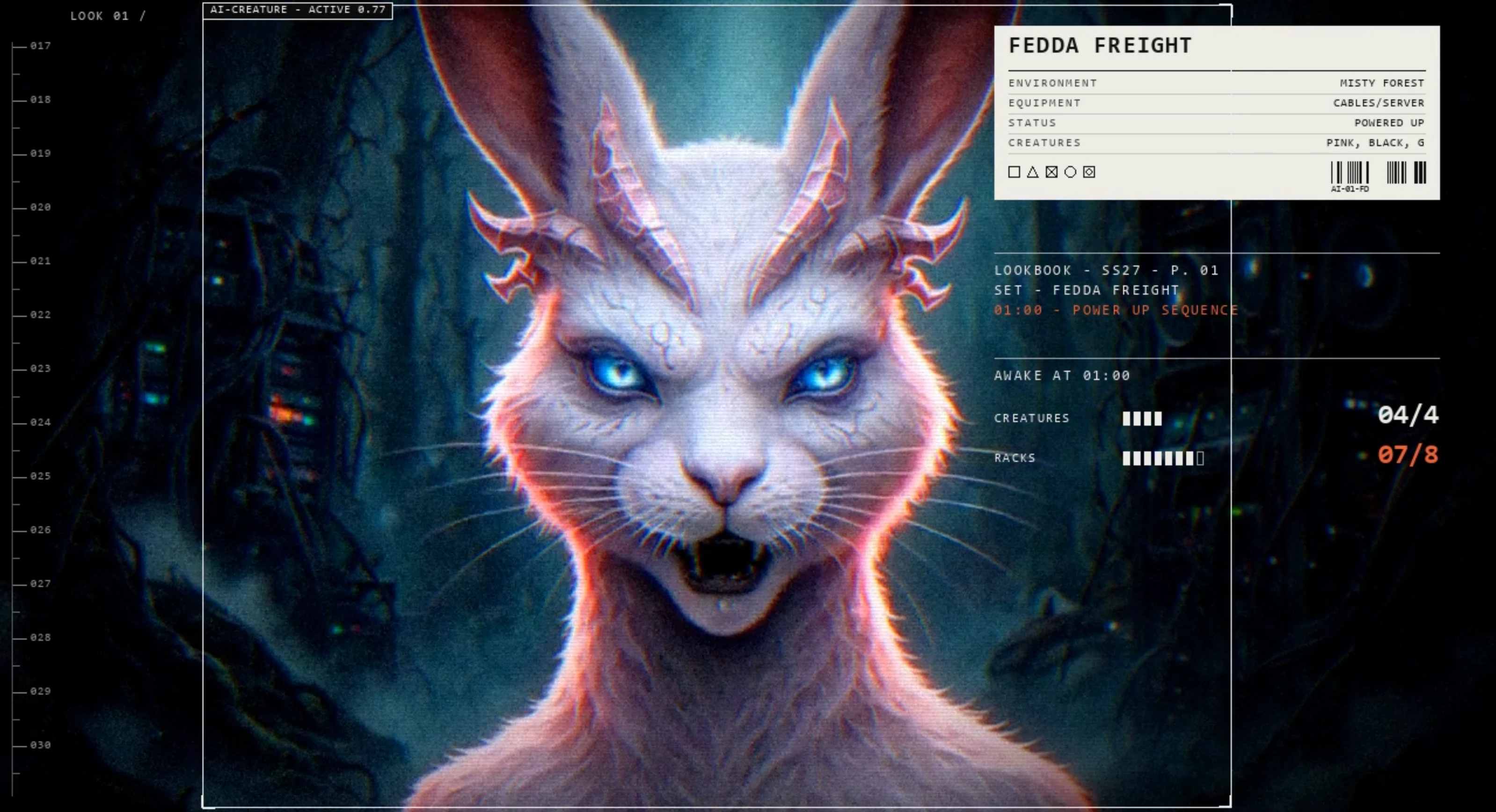
Their videos deserve attention alongside the productions coming out of more elaborate cloud-based workflows.
The important distinction is that local AI offers creators another production path.
Instead of paying for every generation through a remote service, creators can run supported image and video models on their own hardware, experiment with settings, discard failures, and keep refining their work without a new per-clip charge.
That freedom changes the economics of experimentation.
Models and tools such as Wan, MiniMax-based local workflows, and other open-weight image and video systems are expanding what individual creators can produce.
They're not always as fast or convenient as commercial services. They don't always match the newest cloud models in every category.
But they can produce compelling results without attaching a price tag to every attempt.
And when the twentieth attempt costs no more in generation credits than the first, creators have room to experiment.
The Other Cost of Local AI
Of course, local doesn't mean free.
You need hardware capable of running the models. You need storage, electricity, time, and some willingness to troubleshoot.
A powerful GPU can cost more than many months of cloud subscriptions.
And generating a clip locally may take considerably longer than submitting it to a commercial service.
But there's a meaningful difference between a one-time hardware investment and paying repeatedly for every experiment.
If you already own capable hardware, local generation can dramatically reduce ongoing costs.
If you don't, subscriptions or a hybrid workflow may still be the more economical option.
Neither approach is automatically superior.
The real advantage is having a choice.
Making Local AI More Accessible
One of the encouraging developments is the growing availability of tools designed to make local AI less intimidating.
Projects such as Get Going Fast offer Windows setup guides, helpers, and some standalone apps for local image, music, and video work. Disclosure: SlopRevolt and Get Going Fast share an owner.
Creators don't necessarily need to become programmers or learn complicated node-based workflows to start experimenting.
And that's important because accessibility isn't just about money. It's also about removing the technical barriers that prevent people from getting started.
Local AI won't eliminate every expense, but it offers another path for creators who want more control over their production process and fewer recurring generation fees.
The more accessible these tools become, the less financial resources alone will determine who gets to participate.
What About the Creator With an Ordinary Computer?
This is where the accessibility question becomes important.
Not everyone owns an RTX 4090. Not everyone can spend hundreds of dollars on video credits. And not everyone has time to master complicated production workflows.
Does that mean they don't belong in Slopcore?
Of course not.
There are other approaches.
Shorter generated clips. Still images with animated camera movements. Reusable characters and backgrounds. Creative editing. Lyric animation. HUDs and overlays.
We've already explored how a well-designed HUD can transform relatively ordinary AI-generated footage into something with a recognizable Slopcore identity.
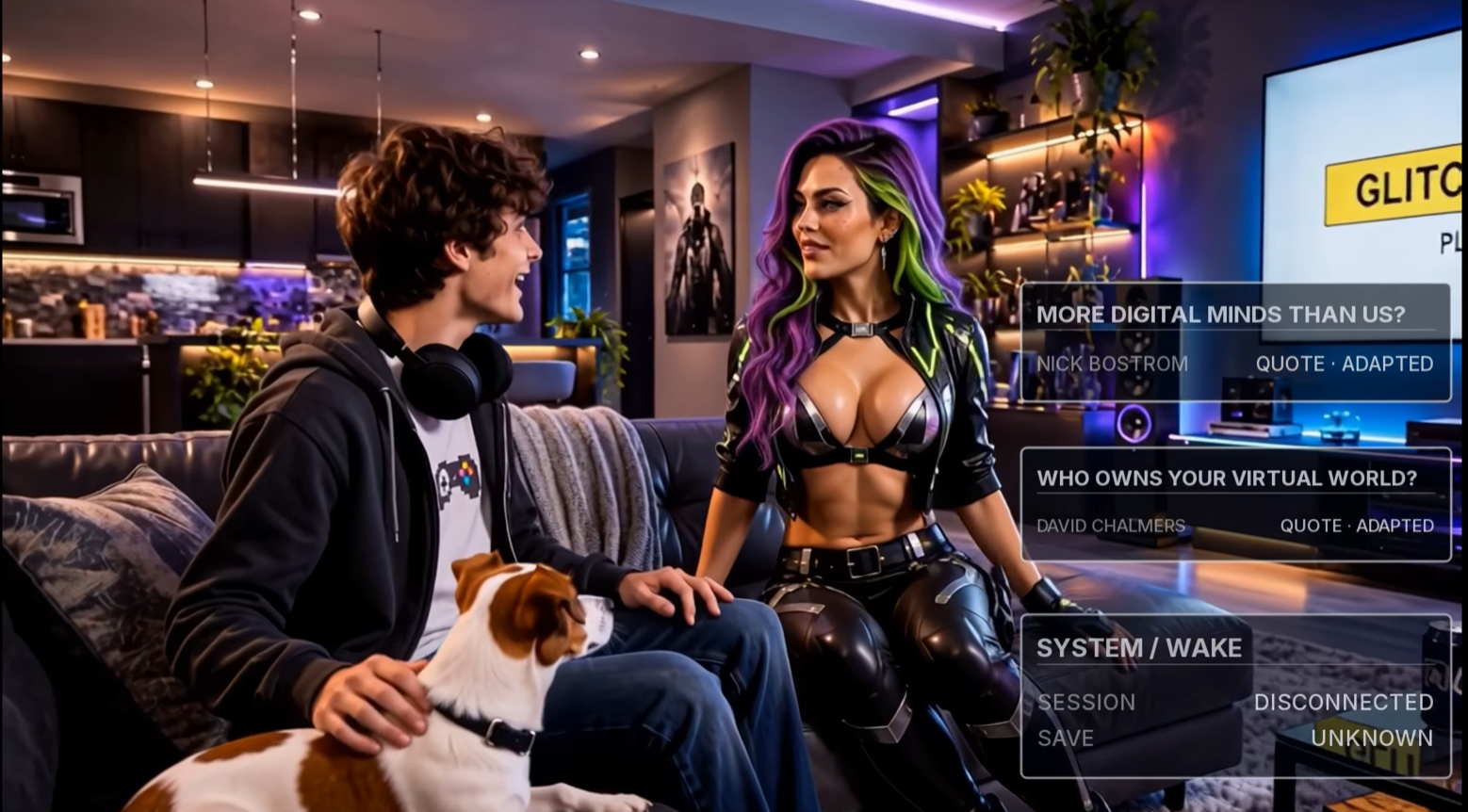
And much of that presentation work is far less GPU-intensive than generating new video.
The creator who can't afford elaborate cinematic generations may still develop the most distinctive visual style in the room.
Money can buy more generations. It can't buy imagination.
The Danger of an Expensive Standard
There's nothing wrong with spending $1,000 on a music video if that's what a creator wants to do.
There's nothing wrong with pushing the technology as far as it can go.
Those experiments benefit the scene. They show what is possible and often establish techniques that eventually become accessible to everyone.
The problem begins when expensive productions become the standard by which everyone else is judged.
When audiences start expecting the latest models, perfect character consistency, and endless cinematic shots, the person working with an older GPU may begin wondering whether their work is worth sharing.
That's a dangerous direction for a culture built around creative experimentation.
Slopcore shouldn't require a production budget to earn its name.
Keep the Door Open
Perhaps the most exciting thing about AI-generated music and video isn't that someone can now spend $1,000 making a spectacular production.
It's that someone else can make something memorable with the computer they already own.
The difference between those two creators shouldn't determine who belongs.
Cloud services, local models, hybrid workflows, and simple editing techniques can all contribute something valuable.
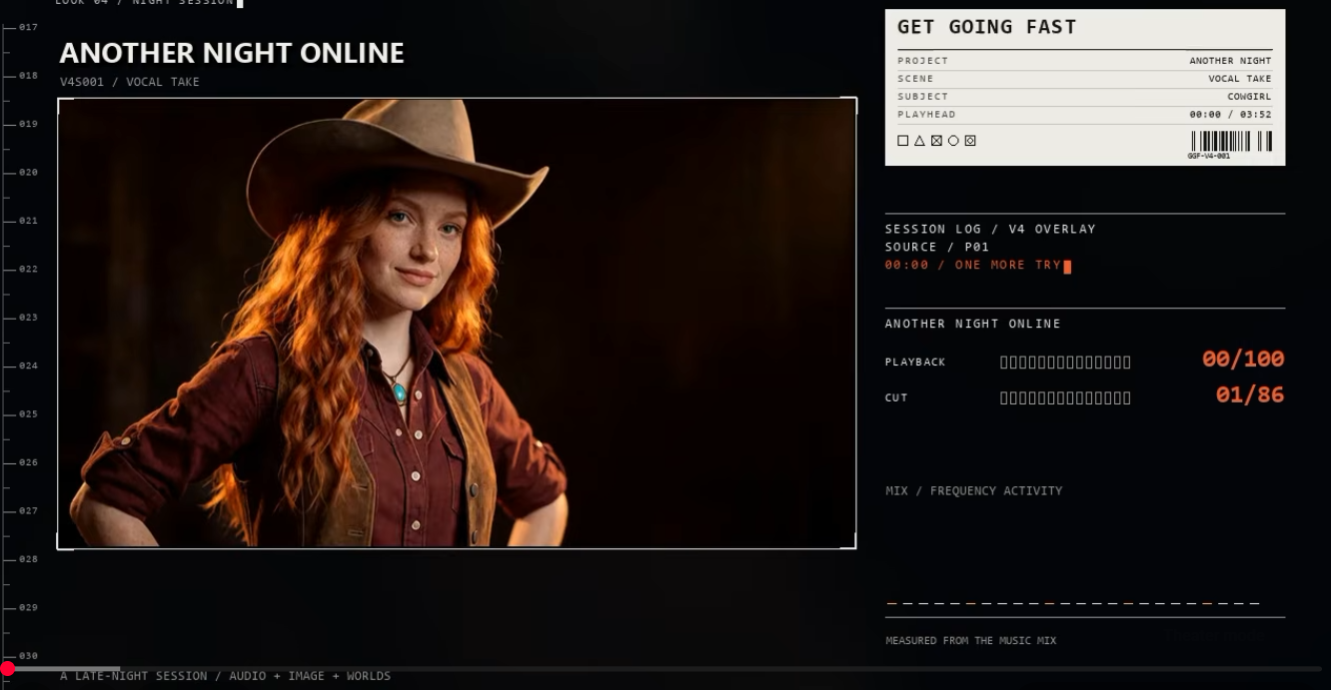
And as local tools continue improving, the gap between expensive cloud productions and independent desktop workflows may continue narrowing.
Slopcore doesn't need to become a competition over who can afford the most generations.
It needs room for the person spending a thousand dollars and the person spending a Saturday afternoon experimenting on an older GPU.
Because the moment a movement that celebrates creative freedom starts requiring a serious financial investment just to participate, it's worth asking what happened to the freedom.
In a future SlopRevolt article, we'll explore the practical side: how to produce AI music videos on a limited budget, which local models are worth considering, and how creators are combining inexpensive tools with creative techniques to get impressive results.
Because making Slopcore shouldn't require spending a fortune.
SlopRevolt documents the evolving Slopcore scene, its creators, production methods, and culture. The goal isn't to discourage expensive productions, but to recognize that technical ambition and creative accessibility can coexist.