EDITORIAL / CREATIVE CULTURE
The Slopcore Secret Weapon: HUDs and Overlays
How creators use a few layers of graphics to turn ordinary AI footage into something extraordinary.
SLOP REVOLT / CULTURE ·
You've generated your music video. The song sounds great. The visuals? Well, they're slop. And not the best kind.
Maybe the character looks a little strange. The animation isn't quite right. The background is generic, and that cinematic look you wanted never really materialized.
But remember this one element that can change everything.
The HUD.
The Overlay Changes Everything
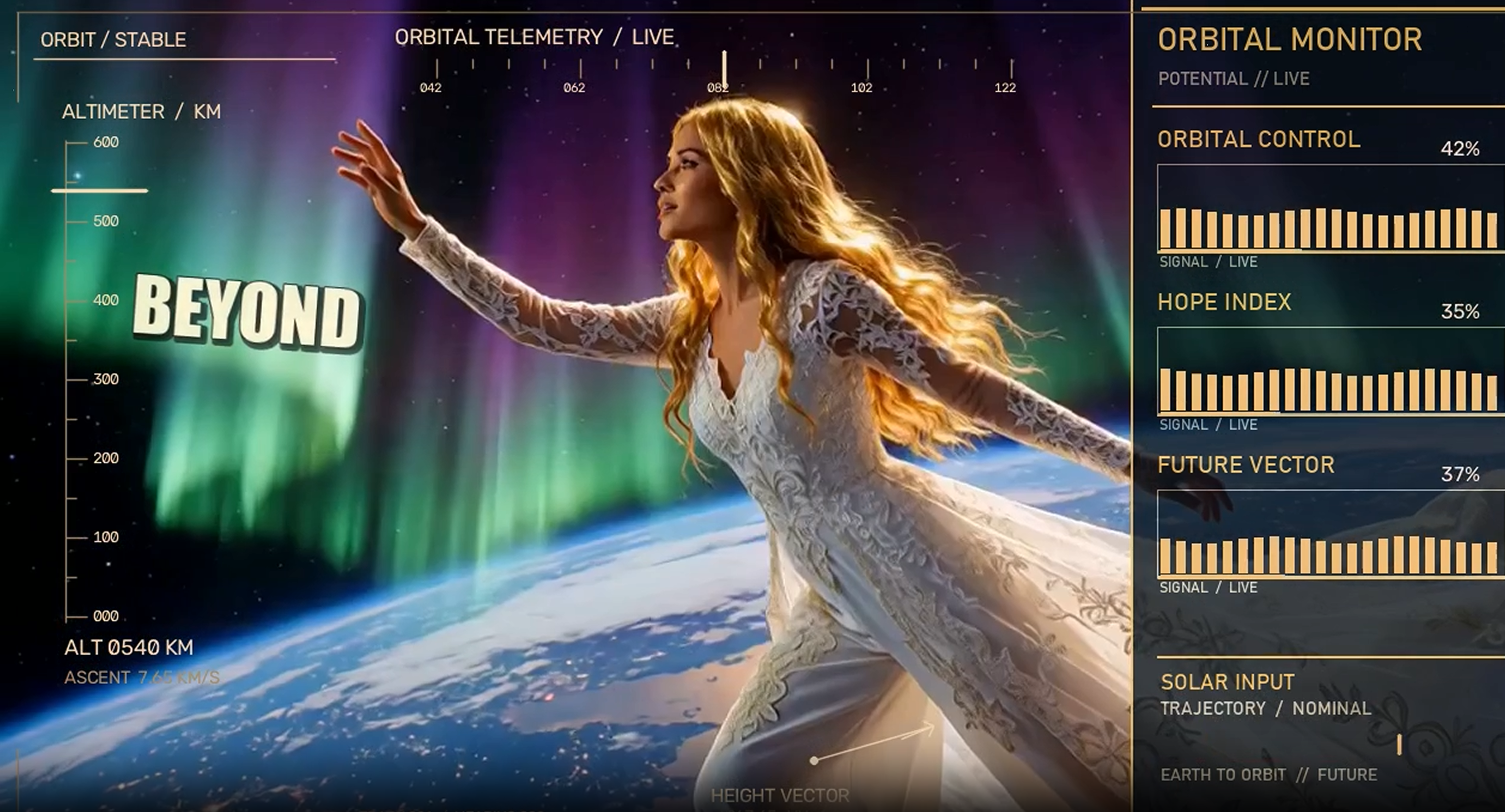
One of the most recognizable characteristics of Slopcore is the use of Heads-Up Displays (HUDs), animated typography, digital readouts, scanning graphics, and futuristic interface elements layered over video footage.
These aren't simply decorations.
They fundamentally change how we perceive what's underneath.
Take an otherwise ordinary person standing in a room. Nothing particularly interesting.
Now give them a black leather jacket, sunglasses, and the visual language of The Matrix. Suddenly, that same person feels like they belong to an entirely different world.
A well-designed HUD accomplishes something similar.
Put digital targeting graphics around a synthetic performer. Add scrolling data, animated lyrics, technical readouts, or a flickering interface that responds to the music.
The underlying footage hasn't changed.
But the world it appears to inhabit has.
What might otherwise look like mediocre AI footage suddenly feels intentional, futuristic, and distinctly Slopcore.
Making the Imperfections Work
AI-generated video still has its quirks.
Characters drift. Movements look unnatural. Environments occasionally behave in ways that would make a physicist reconsider their career.
But Slopcore has an interesting advantage: its visual identity already embraces artificiality.
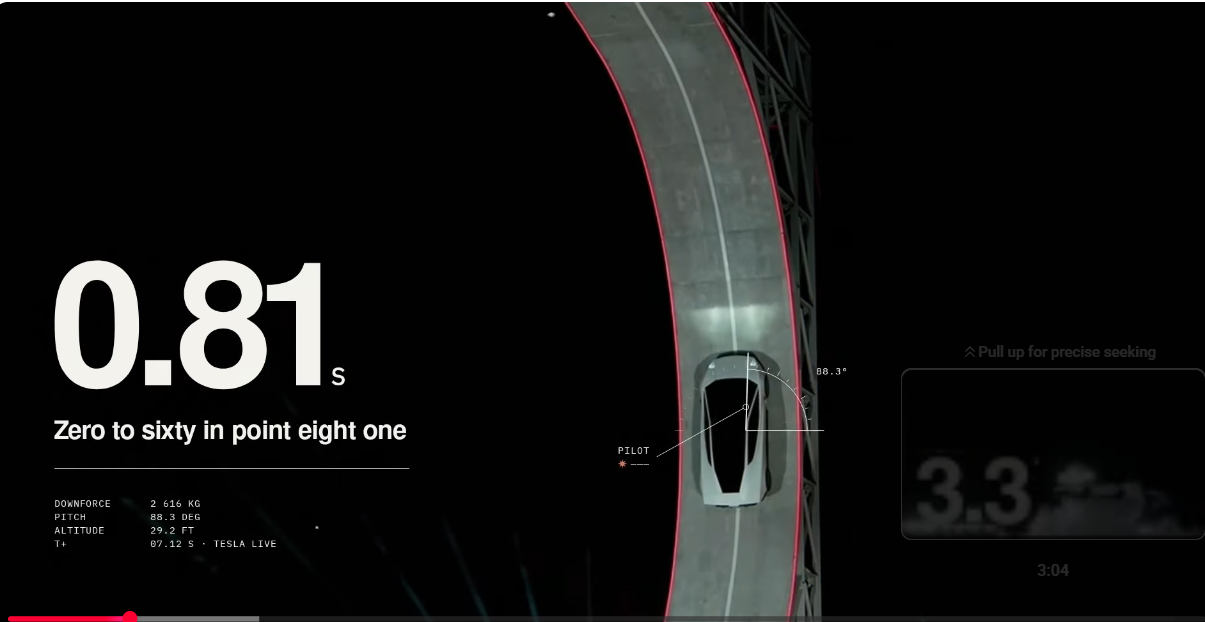
A strange movement becomes less distracting when presented through a robotic surveillance interface. An imperfect background becomes part of a simulated environment. A synthetic performer looks right at home surrounded by digital instrumentation.
The HUD doesn't fix these imperfections.
It gives them context.
Instead of asking the viewer to believe they're watching reality, the presentation invites them into a digital world where reality was never the objective.
Of course, a bad video doesn't automatically become good because someone adds a targeting reticle. Thoughtful design still matters.
But the right overlay makes an enormous difference.
Your GPU Doesn't Have to Be the Star
Here's where things get particularly interesting for independent creators.
Generating beautiful, consistent AI video can demand serious hardware, expensive services, and considerable time.
But creating overlays and HUDs is comparatively lightweight.
Animated text, interface graphics, simple shapes, transparency effects, and synchronized visual elements can often be assembled with ordinary video-editing and motion-graphics tools.
You don't necessarily need a top-tier GPU to make them look impressive.
That changes the creative equation.
Maybe you can't generate the most realistic synthetic performer. Maybe your machine struggles with long video sequences. Maybe you're working with short clips and limited resources.
You can still build an incredible visual identity around what you have.
A carefully designed interface, recognizable typography, consistent colors, and graphics that react to the music become your signature.
And unlike the unpredictable results of generative video, these are elements you can deliberately design, refine, and control.
The Interface Becomes Part of the Performance
The best Slopcore overlays do more than make footage look futuristic.
They participate in the music.
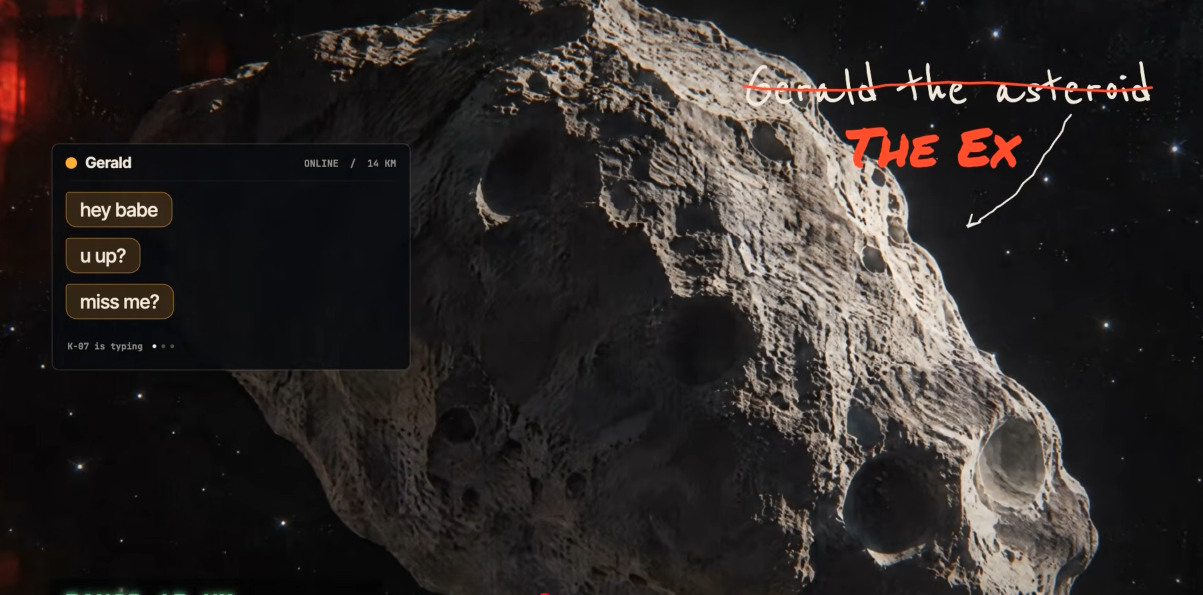
Words hit the screen with the beat. A diagnostic display spikes during a bass drop. A digital warning flashes before a transition. A targeting system locks onto the performer just as the chorus begins.
The graphics become another instrument.
There's also a difference between adding random futuristic clutter and creating a recognizable aesthetic.
A creator who develops their own interface language, recurring symbols, fonts, color choices, and visual rhythms builds something audiences recognize immediately.
The HUD can become as distinctive as the performer.
Slopcore's Great Equalizer?
Perhaps that's the most exciting aspect of this visual tradition.
A creator with modest hardware and imperfect AI footage can compete creatively with someone producing elaborate cinematic generations.
Not necessarily through realism or technical spectacle.
Through imagination, design, timing, and presentation.
It doesn't mean every Slopcore video needs a HUD. The scene is still defining itself, and its visual language will continue evolving.
But HUDs and overlays are already among the recognizable markers of Slopcore's identity, not merely optional embellishments added to an otherwise finished video.
They are part of what gives the scene its distinctive visual character.
You might not have the hardware to generate the best-looking footage.
But you can absolutely develop the most interesting way to present it.
And sometimes, that's what turns an ordinary AI video into something worth watching twice.
SlopRevolt documents the evolving sounds, imagery, and creative practices of the Slopcore scene. This article examines one of its defining visual characteristics while recognizing that the culture continues to evolve.