ON THE RADAR / EDITORIAL
What If a Slopcore Video Never Generated a Single Image?
Some creators are drawing entire music videos with code. Their work points toward a visual identity that goes beyond the latest video model.
SLOP REVOLT / EDITORIAL ·
Ask someone to picture an AI music video and they may imagine a synthetic singer moving through a sequence of generated shots. The faces get more consistent, the camera moves get smoother, and each new model promises a more convincing scene.
But there is another way to make a Slopcore video.
Write instructions that draw every frame. Put the movement on a timeline. Make a shape react to a lyric, a camera turn with the chorus, or a whole environment change on the beat. Render the result as a video.
The computer still makes the picture. The difference is that a creator can describe and revise the visual system itself, rather than request another clip and hope it lands.
What happens to Slopcore when the image is built like an instrument?
A Music Video Made of Instructions
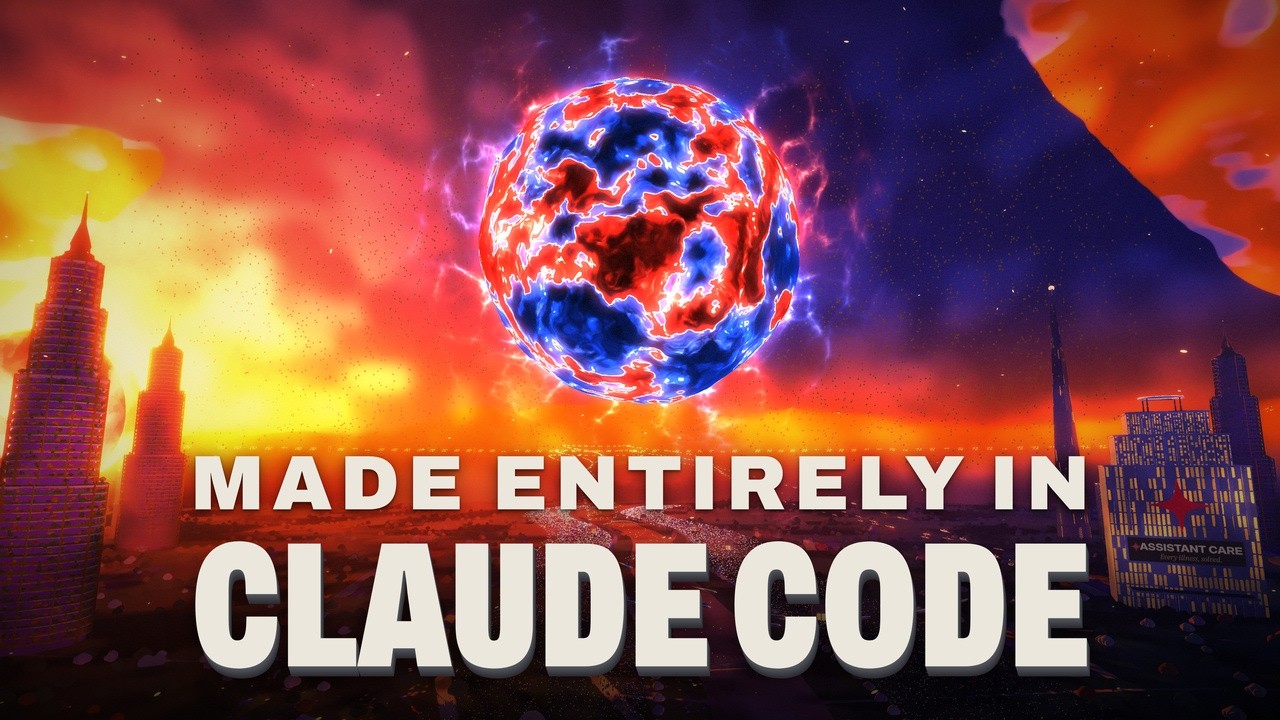
Imaginative Prompting describes its films simply: “music videos, made in code.” In the creator's published toolkit, they say Claude Code writes the visuals in Remotion and three.js, while Suno supplies the songs. The creator says the videos are rendered entirely in code, without image or video generators.
The toolkit names four films, including The End Of The Show and I Can Make Anything, and breaks the work into decisions about shots, blocking, timing, light, rendering, and checks. Those categories sound more like a production notebook than a prompt for a single spectacular image.
The distinction matters. A code-rendered film can have recurring objects and precise motion because those things are defined as part of the scene. A creator can change the speed of a move, the color of a light, or the moment a shape appears without asking a video model to invent a new take.
That does not make the work effortless. Someone still has to decide what a scene should mean, whether the timing feels right, and which results deserve to stay.
The Song Can Drive the Picture
Another example is Pull. Commit. Push. Repeat. The creator's production notes say the song and vocals were made in Suno, while Claude drew every screen in code. The notes explicitly list no generated video or generated images and credit the human with the idea, notes, and choice of take.
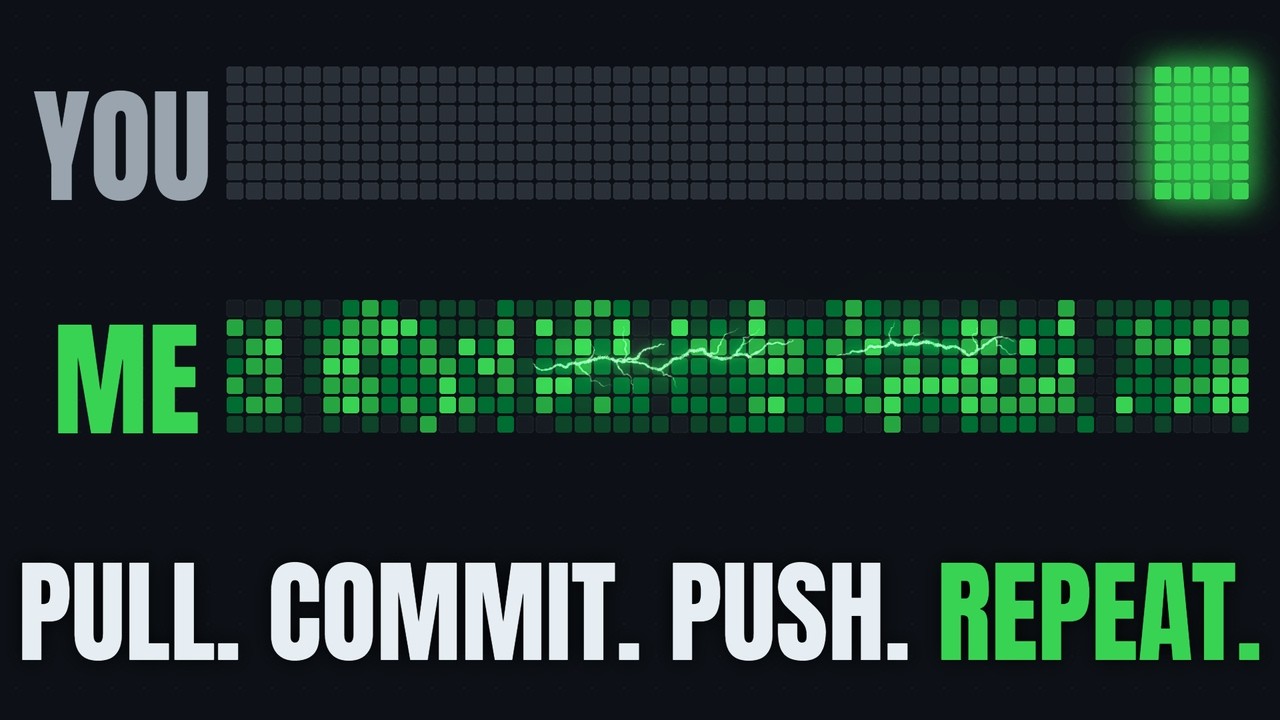
Its subject is a programmer's working life. The creator cites GitHub's contribution graph as a visual inspiration, a reminder that an interface people normally use to count activity can become the vocabulary of a music video.
That is the exciting part of this approach. A lyric does not have to sit on top of unrelated footage. It can change what the screen is doing. The visual idea can be as specific to the song as the chorus.
And code does not have to mean a sterile grid. It can draw characters, camera movement, textures, and entire worlds. The question is whether the movement and imagery serve the track.
It Does Not Have to Be All or Nothing
The split between generated footage and code is not a rule artists need to obey.
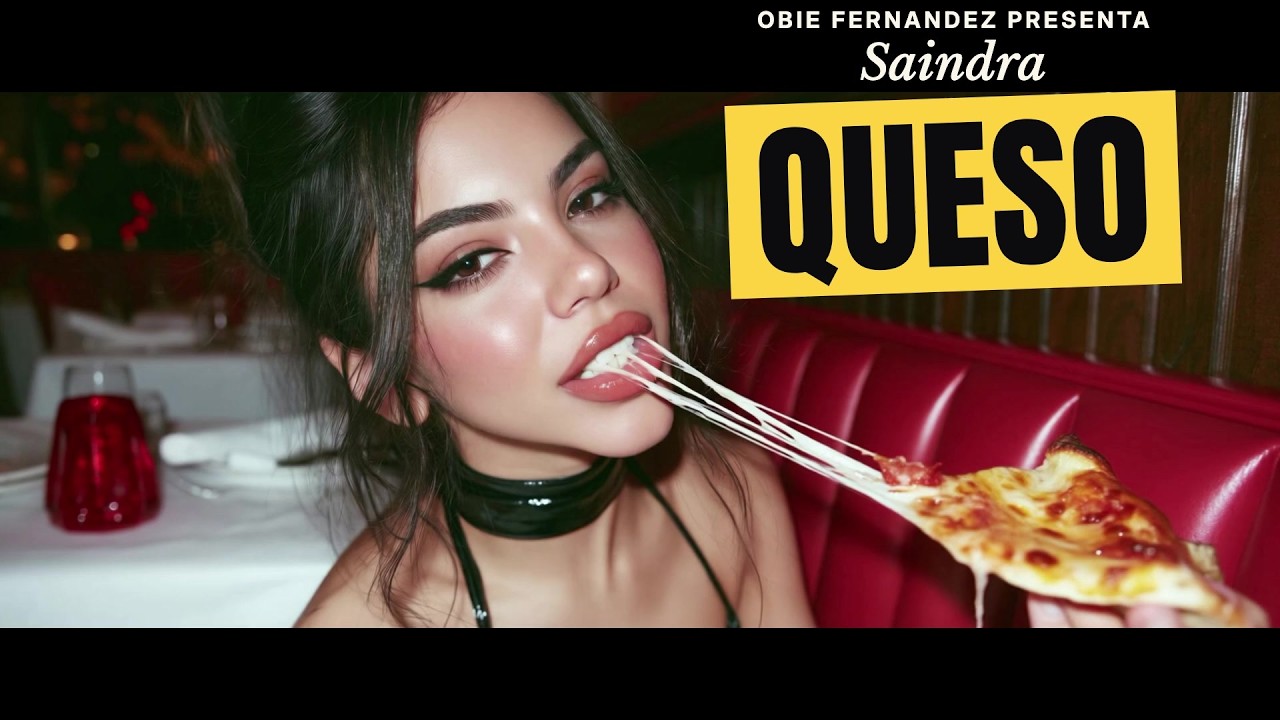
Obie Fernandez's Slopcore production toolkit describes a hybrid: characters and sets designed as generated stills, animated into clips, with lyrics and graphics drawn in code on top and timed to the word and beat. The creator brings the song, the look, and the decisions; the system runs steps and pauses for approval.
That approach points to a larger possibility. A generated shot can supply a place or a performer. Code can give it rhythm, context, and a visual language that persists from one scene to the next.
We've already written about HUDs and overlays as part of Slopcore's look. Code-rendered work takes that idea further: what if the overlay is not decoration on the video, but the material the video is made from?
A Look That Belongs to Its Maker
Slopcore has no shortage of impressive synthetic footage. The risk is that creators chasing the same model's most polished look may start making videos that resemble one another.
Code offers a different kind of control. A creator can invent a visual rule, break it at the bridge, and bring it back transformed for the final chorus. The result may look less like a movie trailer and more like something that could only have come from that particular song.
It also creates another route into production. Code-rendered visuals do not require paying a video service for every attempted clip, although they still cost time, computing power, and whatever tools a creator uses to write or render them. They are an option, not a universal bargain or a requirement for belonging.
The important question is not which pipeline wins. It is whether the scene makes room for different ways of seeing.
A photorealistic character can carry a story. A generated shot can surprise its director. Code can make a chorus move in a way no video model would have guessed.
Slopcore gets more interesting when creators stop asking only how real the image can look and start asking what the image can do.
Reporting based on the linked creators' published sites and production notes. Workflow descriptions are attributed to their creators. This article does not assume those methods apply to every video they have made.