FEATURED EDITORIAL / CULTURE
Who Is the Face of Slopcore?
As Claudia becomes a recognizable figure in AI music videos, will Slopcore develop a shared identity or a thousand individual stars?
SLOP REVOLT / CULTURE ·
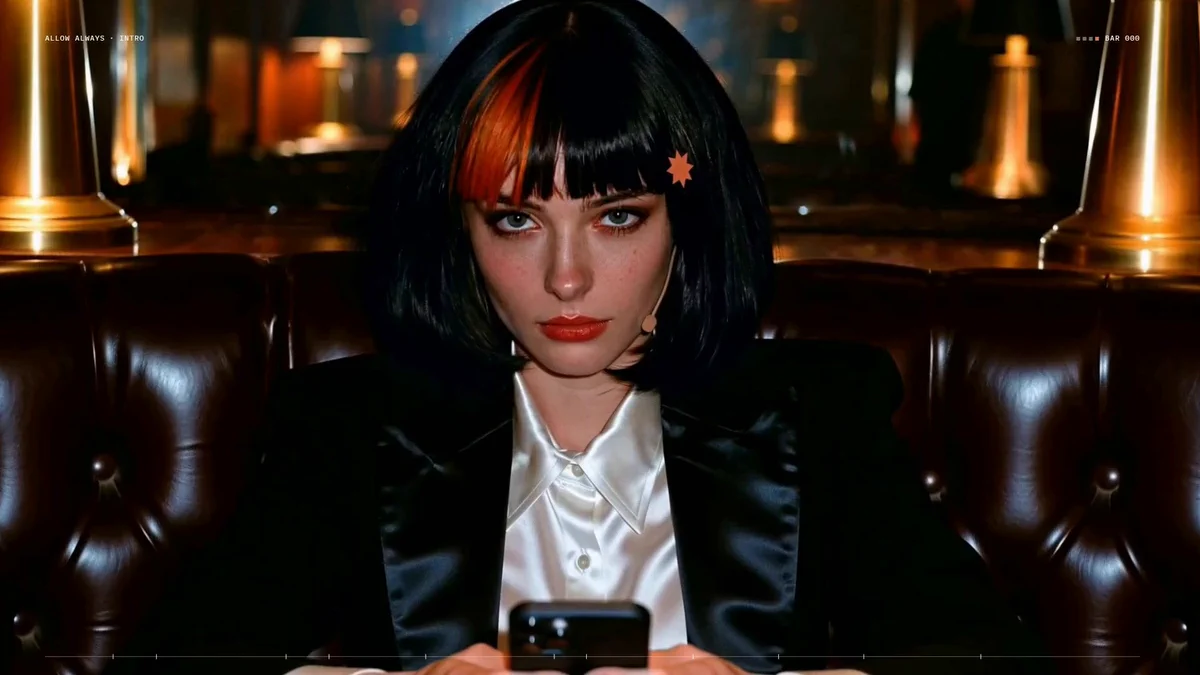
Claudia is becoming one of the most recognizable faces in AI-generated music videos. But should an entire movement have a single star?
Every emerging music culture develops its icons. Rock had its rebellious frontmen. Punk had its unmistakable style. Electronic music gave us everything from anonymous DJs to elaborate digital personalities.
Now Slopcore is developing a visual identity of its own. And one character keeps turning up.
Enter Claudia
Creator anabology (RJ Tevonian) helped bring Slopcore to a wider audience with Escape Velocity, an AI-generated music video released in September 2026.
His synthetic performer Claudia, recognizable by her dark bob and orange streak, became more than a character in one creator's videos. Anabology made her available for others to use, along with resources documenting how the videos were produced.
That changes the usual relationship between performer and creator. The same virtual singer can now appear in entirely different artists' work, sometimes alongside their own characters.
And it raises a bigger question: Does Slopcore need one recognizable face?
An Icon, Not an Owner
A familiar character gives a young scene something useful: instant recognition. For newcomers encountering Slopcore for the first time, Claudia can be a visual point of entry.
But becoming an icon doesn't mean becoming the definition of a genre.
The Beatles didn't own rock. Daft Punk didn't define every corner of electronic music. And Claudia doesn't need to represent every kind of Slopcore.
The genre's emerging identity comes from its creators, sounds, themes, visual language, and willingness to experiment, not any one digital personality.
One Face or a Thousand?
Perhaps the bigger opportunity is a whole cast of recognizable synthetic performers.
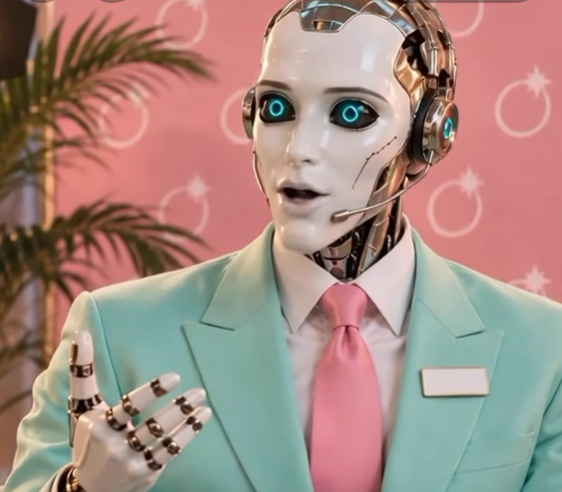
Some characters may appear across many artists' videos. Others may belong to one creator's world: robotic singers, retro-futuristic heroines, animated misfits, digital rebels, or personalities nobody has imagined yet.
As production tools improve, these characters can have consistent looks, recurring stories, and identities that audiences recognize from one release to the next.
The performer is becoming another creative medium.
And the culture may be stronger with many distinctive faces than with one universal mascot.
The Creator Behind the Character
A digital face can become famous. But it doesn't replace the human creative decisions behind the work: musical taste, direction, editing, storytelling, and the choices that make a particular video worth watching.
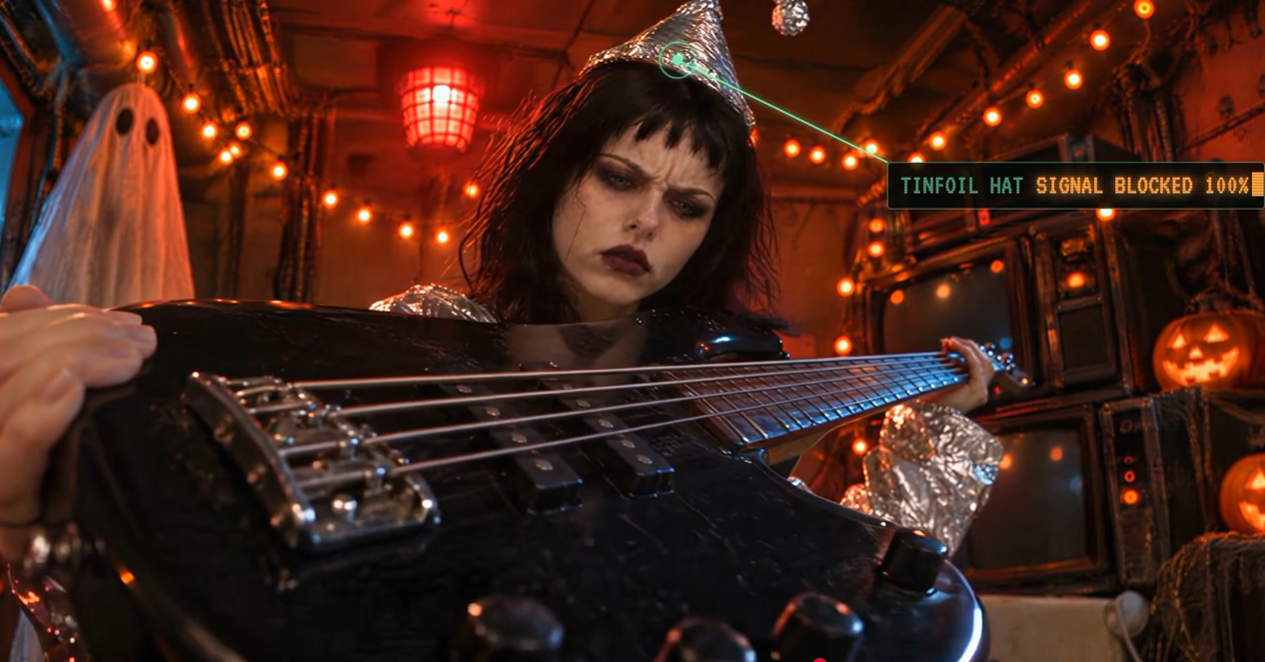
That opens another interesting question: when audiences follow a virtual performer, are they following the character, the artist, or the creative vision connecting them?
Maybe all three.
A Culture Still Finding Its Identity
Claudia may become one of Slopcore's defining early icons. Or she may be remembered as the character who showed other artists just how far a shared virtual performer could travel.
Either way, her presence is part of the scene's history.
The interesting future isn't necessarily one face of Slopcore. It's a culture where anyone can create a face worth remembering.
The next recognizable character may already be appearing in someone's latest video. We just haven't met them yet.
SlopRevolt documents the artists, characters, sounds, and evolving identity of Slopcore. This is an observation about an emerging culture, not a claim that one creator or character speaks for the scene.