ON THE RADAR / EDITORIAL
Slopcore This Week: The Hook, the Agent, and the Underclass
Three new X threads show creators testing what the music can sound like, who directs the video, and what the work can say.
SLOP REVOLT / EDITORIAL ·
What is Slopcore trying to prove right now?
Three posts from November 18 and 19 offer different answers. One creator wants a song so catchy that listeners stop caring whether it is called slop. Another says he handed an entire video workflow to an AI agent. A third uses the form to imagine a world divided by who still gets to think.
These are individual releases and conversations, not evidence that the entire scene has changed overnight. But together they show creators testing the boundaries of Slopcore from inside it.
The Hook Still Belongs to Someone
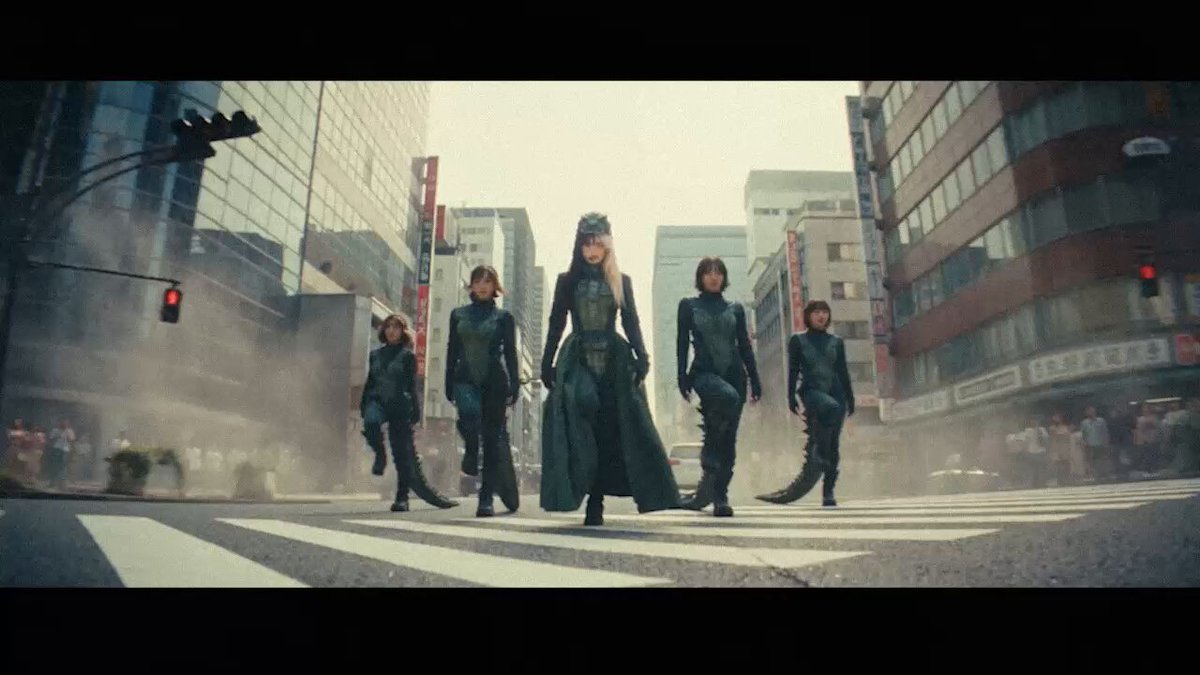
On November 18, Mark Soares posted “Slop Innit”, which he describes as K-pop Slopcore made with Grok, Suno, and Runway. His wager is straightforward: one day a song branded as slop may be catchy enough that the label stops mattering to its listeners.
The conversation below the video is as interesting as the pitch. Asked who came up with its British phrasing, Soares said he did. He also said the hook melody began as a hum he recorded and then had AI render as a cover. Another commenter put it more bluntly: slop needs a hook.
Those details matter. The production uses AI tools, but the creator identifies specific musical and linguistic decisions as his own. Whether a listener loves the track is a matter of taste. The post makes a concrete case that Slopcore can be judged as a song, not just as a demonstration of a model.
When the Agent Takes the Editing Desk
The same day, creator Al shared a two-and-a-half-minute video and described a very different experiment. He said he gave Claude access to his browser, asked for a #Malfoid clip, and let it make a storyboard, generate a song with Suno, create shots in Grok Imagine, and assemble the result. He said he did not touch an editor.
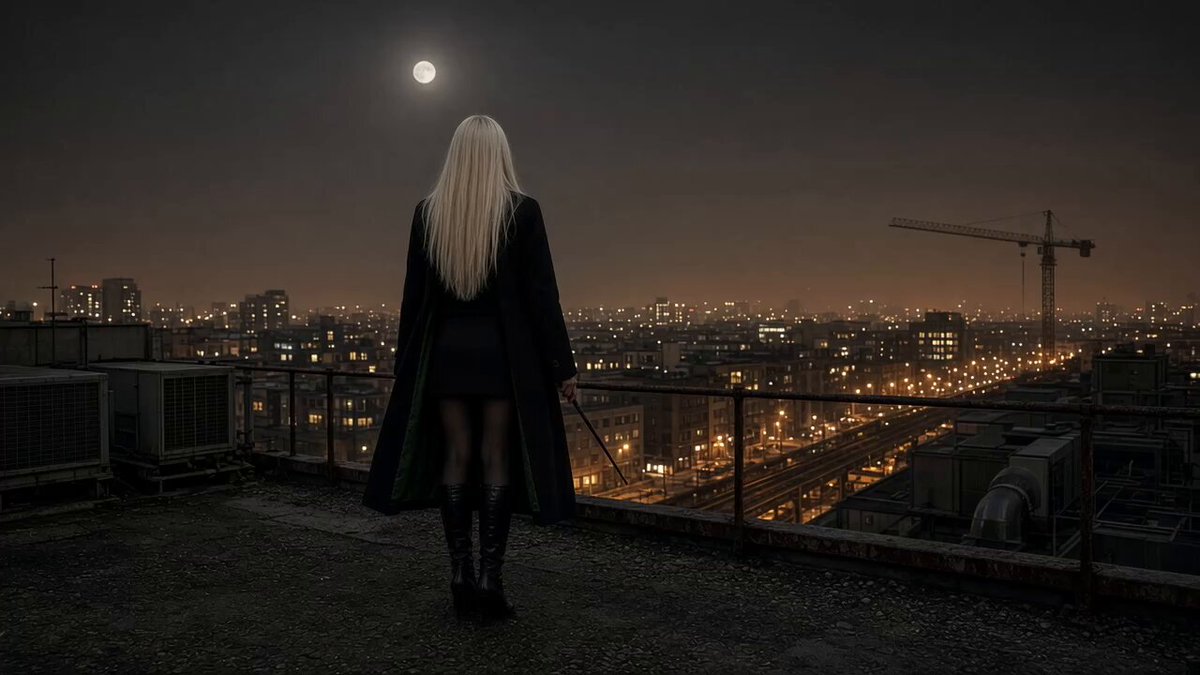
RYDER called it a possible one-shot Slopcore production. Other replies asked how long it took, what it cost, and whether there was truly no manual editing. Al's post describes his workflow; it does not provide an independent production log or a cost breakdown.
The questions point to a new creative tension. If an agent can assemble the video, the human role may shift toward the brief, the selection of tools, and the decision to release or revise the result. That is still direction, but it looks different from cutting every shot by hand. How much of that workflow holds up across repeated projects remains to be seen.
A Song About Who Gets to Think
On November 19, RYDER shared “Welcome to the Underclass”, crediting the Slopcore production to artist Javi ex Machina. The video places its figures in a regimented world and includes an on-screen instruction to sit down.
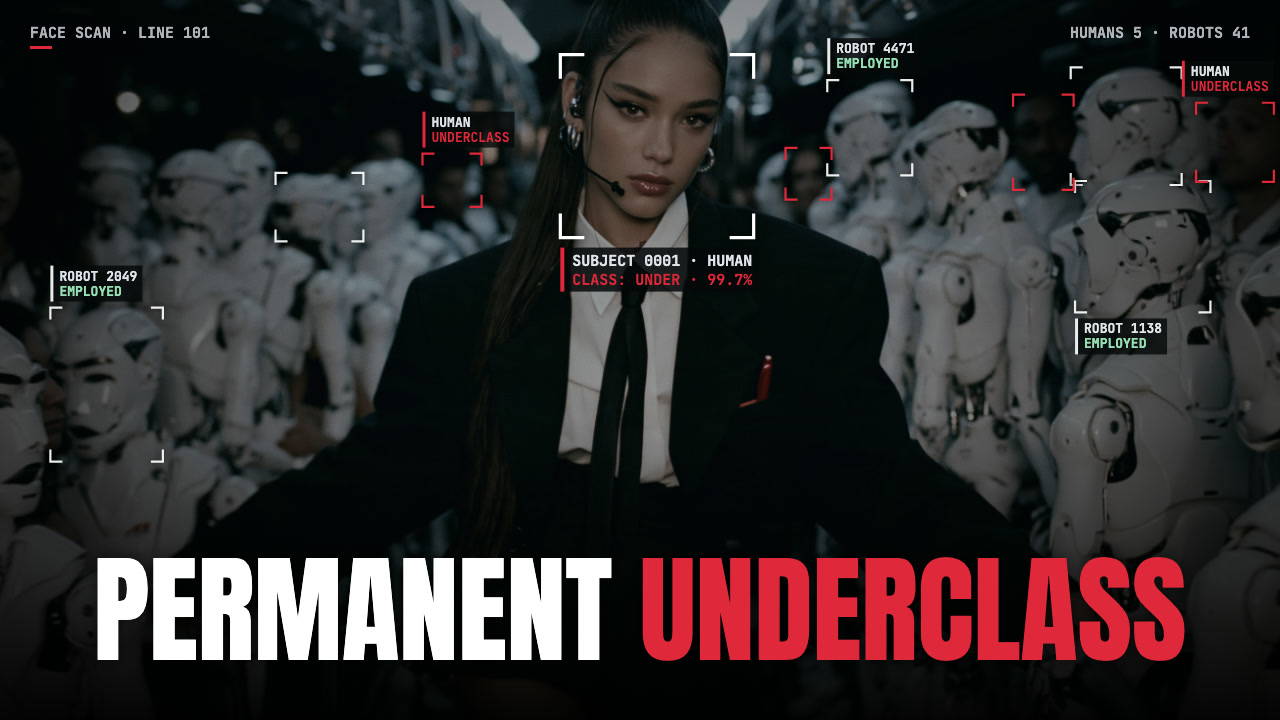
Javi responded that he wants to make a new version called “The Thinking Class.” His idea, as he described it, is a future in which a small group gets to think while algorithms increasingly do that work for everyone else. That proposed version is an idea, not a released video.
Here the technology is more than the production method. It is the subject being questioned. A Slopcore video can be made with AI and still ask what people give up when they let systems decide for them.
A Scene With More Than One Answer
A pop hook, an agent-led production, and a song about the social cost of automation do not add up to a single formula. That is the point.
Slopcore is interesting when creators can use the same broad set of tools for different purposes, then show their choices in public. Soares is talking about melody and language. Al is testing a production process. Javi is building a story about power. None needs to settle the argument over what makes Slopcore, Slopcore.
The next memorable release may win people over with a chorus, a visual idea, or a question they keep thinking about after the video ends. The scene gets stronger when there is room for all three.
Reporting based on the linked creators' X posts and replies from November 18 and 19, 2026. Workflow descriptions are attributed to their creators and have not been independently audited.