EDITORIAL / CULTURE
Slopcore: A Community, Not a Competition
As the scene grows, how do we build something together instead of becoming a collection of competing channels?
SLOP REVOLT / EDITORIAL ·
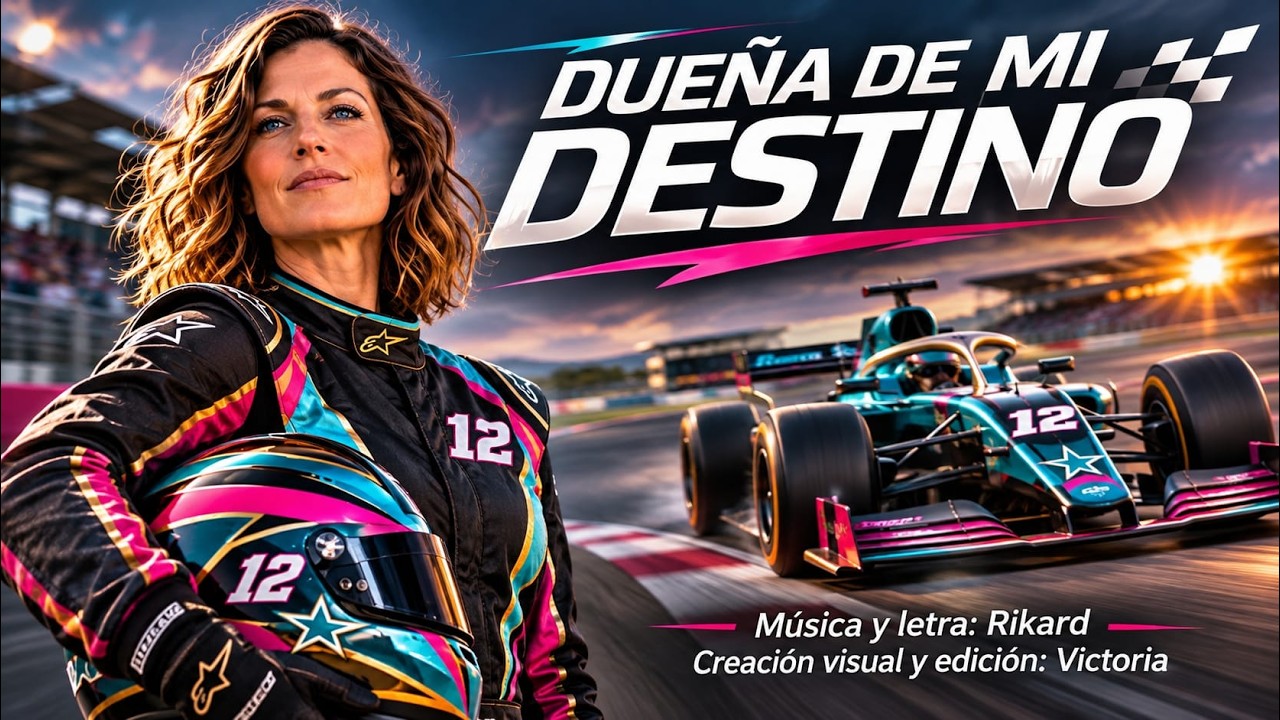
Something interesting happens when a creative movement begins gaining momentum.
New artists arrive. YouTube channels appear. Discord communities form. Playlists grow, and creators begin developing their own audiences.
It's exciting. It's evidence that something is taking shape.
But there's a challenge hiding inside that growth.
How do we make sure Slopcore becomes a community rather than a collection of creators competing for the same attention?
Because those aren't necessarily the same thing.
An Audience Isn't a Community
Every creator wants people to experience their work.
There's nothing wrong with building a YouTube channel, attracting subscribers, or hoping your latest music video takes off.
But an audience gathers around what one person creates. A community develops around something people share.
In Slopcore, that shared experience includes the music, synthetic performers, strange experiments, new technologies, and the excitement of watching an entirely new creative culture emerge.
It's the difference between saying, "Come watch what I made," and "Look what we're all making."
A hundred channels producing similar content don't automatically make a movement.
Something has to connect them.
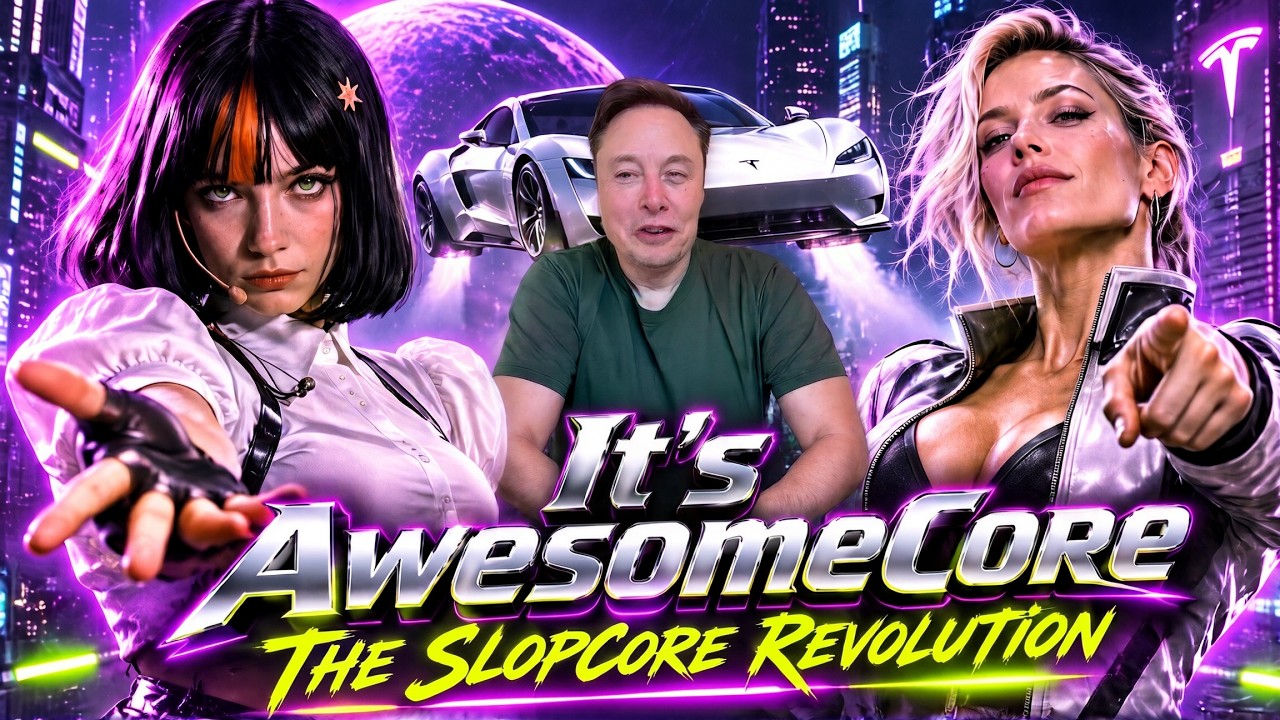
The Jealousy Trap
Let's acknowledge something that doesn't get discussed enough.
It's not always easy watching someone else succeed.
You've spent days working on a music video. You've experimented with models, struggled through failed generations, carefully edited every scene, and finally published something you're proud of.
Twenty views.
Meanwhile, another creator releases a video and suddenly they're getting thousands of views, enthusiastic comments, and attention from across the scene.
It's easy to feel overlooked. Maybe even a little jealous.
That's human nature.
But what we do with those feelings matters.
We can quietly resent another creator's success, start comparing ourselves, or convince ourselves that their work doesn't deserve the attention.
Or we can make a deliberate choice to celebrate what they've accomplished.
Someone else's success doesn't diminish the value of what you've created.
And learning to genuinely appreciate another artist's achievements, even when our own work is struggling to find an audience, changes how we participate in the community.
It replaces resentment with curiosity. Competition with opportunity.
Instead of asking, "Why them and not me?" we begin asking, "What can I learn from what they accomplished?"
Success Is More Attractive Than Jealousy
There's something else worth considering.
People naturally gravitate toward creators who are encouraging, generous, and genuinely interested in the work of others.
Someone who celebrates another artist's success, shares discoveries, and offers thoughtful feedback becomes the kind of person others want to work with.
And collaboration opens doors.
A shared project might introduce you to a new audience. A friendship might lead to discovering a technique you never considered. Someone whose work you supported might eventually invite you to participate in something extraordinary.
Not every act of encouragement needs to produce a personal benefit. In fact, genuine appreciation loses something when it becomes a calculated networking strategy.
But there's an interesting irony.
By becoming genuinely invested in the success of others, you may eventually attract the very attention you were struggling to find for yourself.
A good attitude doesn't guarantee recognition. But it creates opportunities that jealousy and isolation rarely do.
Competition Without Rivalry
None of this means we should stop trying to improve.
Friendly competition can produce extraordinary results.
One creator discovers a new technique. Another builds on it. Someone else combines it with a completely different approach.
The entire scene benefits.
Contests, showcases, and awards can introduce audiences to remarkable work they might otherwise never discover.
But competition becomes destructive when we start treating another creator's success as our own defeat.
We can compete to make better art without competing over who deserves to belong.
And when an unfamiliar creator produces something impressive, sharing that work strengthens the culture we're all participating in.
No One Owns Slopcore
As Slopcore grows, different communities and creative directions will naturally emerge.
Some will focus on music. Others on digital performers, visual effects, technical experimentation, or entirely new styles.
That's healthy.
We don't need one official Discord, one YouTube channel, or one personality determining what belongs.
And we certainly don't need to turn every community into an isolated island competing against the others.
The goal isn't to organize everyone under one banner.
It's to maintain enough mutual recognition and shared enthusiasm that we continue seeing ourselves as part of something larger.
At SlopRevolt, our role is to document the scene, introduce creators, share discoveries, and help people find work they might otherwise miss.
We're participants, not owners.
And ideally, people should leave our site knowing about more creators than they did when they arrived.
Build the Scene, Not Just Your Channel
Slopcore is still young enough that the habits we develop now may shape its culture for years.
We can become a collection of individual channels, each struggling for a larger share of the same attention.
Or we can become something more.
Make your music. Build your channel. Develop your characters. Find your audience.
But also take the time to listen to somebody else's song.
Celebrate their achievements, even when yours seem to be going unnoticed.
Share something that impressed you. Encourage a newcomer. Give credit where it's due. And when the opportunity arises, collaborate.
Not because you're guaranteed something in return, but because a culture built on mutual respect is worth participating in.
And who knows? The creator you're celebrating today might be the person you make something extraordinary with tomorrow.
A channel grows when people come to watch you.
A movement grows when people come for the culture, discover one another, and decide to stay.
Let's make sure we're building the second one, too.
SlopRevolt documents the emerging Slopcore scene, its artists, and the culture taking shape around them. Our role is to participate, connect, and report, not to claim ownership of the movement.