EDITORIAL / CULTURE
Everyone Is Famous for a Day
What happens when the next great song could come from absolutely anyone?
SLOP REVOLT / EDITORIAL ·
For most of modern music history, we've followed the stars.
The famous musicians. The major record labels. The artists with millions of followers, expensive production teams, and carefully managed public identities.
We bought their albums, followed their careers, and waited for their next releases.
But what happens when the next song you can't stop listening to comes from someone you've never heard of?
Someone who isn't signed to a label. Someone without a recording studio, a manager, or even a musical background.
Someone who just made something extraordinary on their computer last night.
What if the future of music isn't about everyone becoming famous, but everyone having the opportunity to be famous for a day?
The Playlist Is Becoming the Star
Think about how we already listen to music.
We build playlists around moods, activities, memories, and sounds. Sometimes we don't even remember the names of the artists behind our favorite tracks.
We just know we love the music.
Now imagine that multiplied by thousands of independent creators, each capable of producing something worth hearing.
One day, an unknown creator releases an incredible electronic track. It spreads across the internet, lands on playlists, and becomes something people listen to repeatedly.
The following week, someone else releases a song that captures everyone's attention.
Neither needs to become a permanent celebrity.
The music gets its moment. The creator gets theirs. And then the audience discovers something new.
It's a different way of thinking about musical success.
When Anyone Can Make the Next Great Song
AI music tools are changing who gets to participate in music creation.
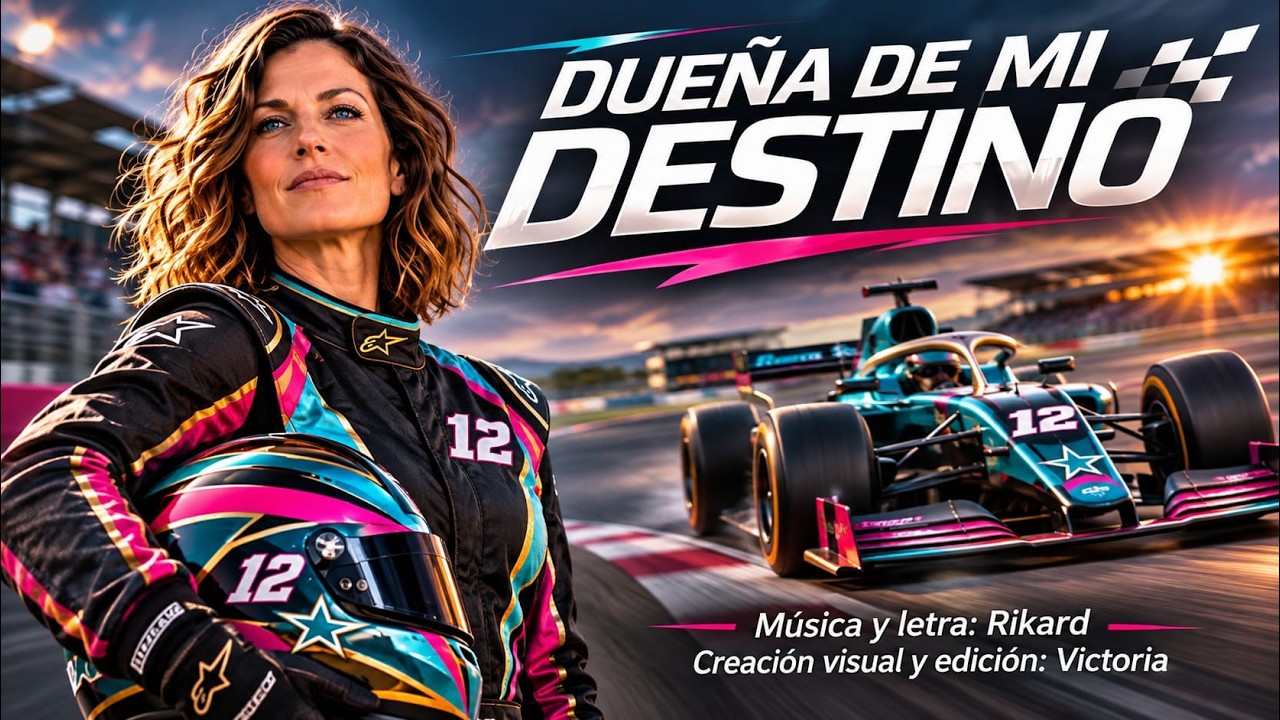
Someone who has never played an instrument can now experiment with melodies, arrangements, vocals, and entire musical productions.
That doesn't mean every generation will be good. Nor does it mean musical experience and artistic judgment have become irrelevant.
But it does mean the number of people capable of attempting something ambitious has expanded dramatically.
And with more people creating, there's the possibility of extraordinary music emerging from unexpected places.
A retired mechanic might write a remarkable country ballad. A teenager might create an electronic track unlike anything we've heard. Someone who has carried a melody in their head for thirty years might finally hear it performed.
Most won't become household names.
But perhaps they don't need to.
Maybe making one song that genuinely connects with people is an accomplishment worth celebrating on its own.
Slopcore Is Already Experimenting With This
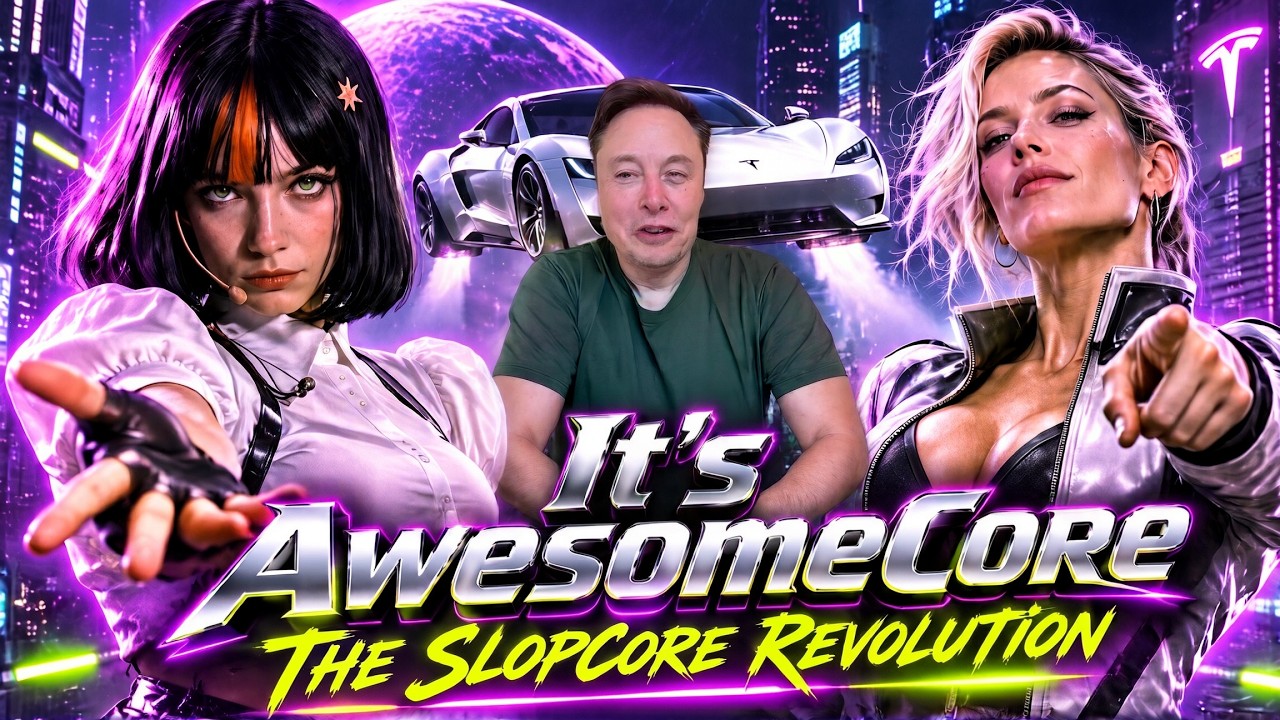
Look at what's happening around Slopcore.
Creators are developing songs, digital performers, elaborate visuals, and entire fictional worlds without the traditional machinery of the music industry.
Some have established audiences. Others are practically unknown.
Yet their productions can appear alongside one another in the same playlists, communities, and video feeds.
An impressive release can attract attention regardless of whether the creator has a recognizable name.
And because Slopcore embraces experimentation, an unusual idea can sometimes become the very thing that makes a production memorable.
It's not a perfect meritocracy. Algorithms, promotion, audience size, and luck still influence what gets discovered.
But we're watching more people gain the ability to put their creative work into the world without waiting for an industry to invite them.
What Happens to the Superstar?
Does this mean famous musicians disappear?
Probably not.
People connect with personalities, stories, and performers, not just individual songs. Great musicians build lasting relationships with audiences for reasons that go beyond any single recording.
And those connections aren't going away.
But perhaps celebrity becomes less important as a prerequisite for being heard.
Instead of a relatively small number of artists dominating our musical attention, we could see a much larger rotation of creators sharing the spotlight.
Some may develop lasting careers. Others may release one remarkable song and return to their everyday lives.
There's something appealing about that.
You don't necessarily need to devote your entire life to becoming a musician to contribute something meaningful to music.
Discovery Could Become the New Music Culture
Of course, removing the barriers to creation introduces another problem.
If millions of people can make music, how do we find the good stuff?
The challenge shifts from production to discovery.
Playlists, curators, communities, recommendations, and people who genuinely enjoy searching for something new may become increasingly important.
Perhaps the future belongs as much to the people discovering music as to those creating it.
And maybe that changes how we think about our own playlists.
Instead of asking, "Who's your favorite artist?" we might increasingly ask, "What's the best thing you've discovered this week?"
The answer could come from practically anywhere.
Famous for a Day
There's a tendency to measure artistic success through longevity.
How many albums did you sell? How many followers do you have? How long did you stay relevant?
But perhaps AI-assisted creation gives us an opportunity to rethink those measurements.
Imagine creating one song that people genuinely love.
It travels farther than you ever expected. Strangers listen to it, share it, and make it part of their own lives.
Maybe the attention lasts a day. Maybe a month. Maybe the song finds a permanent place on someone's playlist.
You might never become a professional musician.
But for a moment, something you created mattered to people you've never met.
And maybe that's enough.
Slopcore and the broader AI music movement are still in their earliest chapters. Nobody knows exactly how the relationship between artists, audiences, and celebrity will evolve.
But one possibility is especially interesting.
The future of music might not give us fewer stars. It might give us millions of smaller ones, each shining when they create something worth hearing.
And tomorrow, the next one could be you.
SlopRevolt documents the creators, music, and changing culture surrounding AI-generated art. This editorial explores one possible future for music discovery, not a prediction that traditional musicians or established artists will disappear.